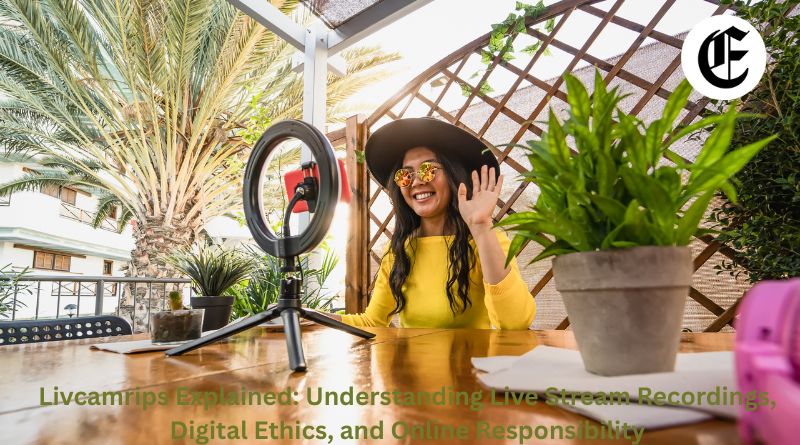
The phrase livcamrips has surfaced repeatedly across forums, search engines, and digital media discussions over the past few years. Although it may sound unusual at first, it actually reflects a much larger conversation taking place in the modern internet landscape, one that touches on live broadcasting, content ownership, digital piracy, consent, and the responsibilities that come with consuming online media. As live streaming continues to dominate everything from gaming and education to fitness, news, and lifestyle content, the question of how these streams are recorded, redistributed, or sometimes misused becomes increasingly important. Understanding this topic requires looking beyond surface-level definitions and exploring the technological, legal, and ethical layers that shape it. This article aims to provide a clear, research-based, and balanced overview so readers can navigate the subject thoughtfully and responsibly.
What Does Livcamrips Mean in Today’s Digital Environment?
In simple terms, livcamrips refers to recordings extracted from live camera-based broadcasts. These broadcasts can originate from a wide range of sources, including live event coverage, gaming streams, interactive shows, public webcams, and personal streaming sessions on various social platforms. Because live content is generally meant to be experienced in real time, the act of capturing and reposting it elsewhere creates a chain of digital, ethical, and legal questions. The popularity of the term mirrors a wider cultural moment where audiences increasingly want on-demand access to content that was originally intended to be temporary, immediate, and tied to a specific moment of broadcast.
The growing presence of this term in online discussions also indicates a public curiosity about how live streams work, why people record them, and what happens once that content leaves its original platform. This is why having an informed perspective is so valuable in today’s content-driven economy.
How Live Streaming Culture Created the Concept of Livcamrips
The explosion of live streaming since the late 2010s has transformed how creators connect with audiences. Platforms allow nearly anyone with a smartphone to go live and share moments in real time, which has redefined entertainment, journalism, marketing, and community building. This cultural shift is the foundation that made conversations about livcamrips possible in the first place.
The Role of Accessible Recording Tools
Modern screen recorders, browser extensions, and capture cards make it simple for users to save almost any digital activity on their devices. While these tools were designed for legitimate purposes such as creating tutorials, archiving educational sessions, or preserving family memories, they can also be used in ways that conflict with platform terms or creator consent. The availability of such technology is one of the key reasons that the discussion around recorded live content continues to grow.
Why Demand for Recorded Live Content Has Grown
Audiences increasingly expect flexibility in how they consume media. People want to watch what they missed, rewatch their favorite moments, or share clips with friends. This appetite for replayable content is generally healthy and natural, but it sometimes pushes users toward unofficial sources rather than approved platform features. This dynamic is at the heart of why the topic of livcamrips remains a recurring search trend.
Legal Perspectives Surrounding Livcamrips
Legal questions form one of the most critical layers of this discussion. Recording, distributing, or downloading live streams without authorization can intersect with several areas of law, depending on the country, platform, and type of content involved.
Copyright Protections and Their Limits
Copyright law typically gives creators exclusive rights over their content’s reproduction and distribution. When a live broadcast is captured and shared without consent, it can constitute a copyright violation, even if the recording is shared for free. Many platforms enforce these rules through automated detection systems, takedown requests, and account penalties. Understanding these boundaries is essential for both creators looking to protect their work and viewers wanting to stay on the right side of digital regulations.
Privacy Laws and Personal Rights
Beyond copyright, privacy regulations can also apply, especially if the live content involves individuals who did not consent to being recorded or redistributed. In some regions, laws such as the GDPR in Europe or various state-level privacy statutes in the United States provide strong protections for personal data, including video recordings. This adds another important dimension to the conversation around livcamrips and reinforces why responsible behavior matters online.
Ethical Concerns That Every Internet User Should Recognize
The ethics of digital media often go beyond what is technically legal. Even when a recording action falls into a legal gray area, it can still raise valid moral concerns. Live streamers typically share their content under specific expectations, whether financial, social, or contextual. When that content is taken outside its original setting, it can damage relationships of trust between creators and audiences. Ethical digital behavior involves recognizing the human side of online content and treating creators with the same respect we would offer in face-to-face interactions.
In a world where digital culture moves quickly, it is easy to forget that behind every stream, there is a real person who has invested time, energy, and creativity into producing that content. Choosing to consume content through legitimate channels is one of the simplest yet most powerful ways to act ethically online.
How Livcamrips Affects Online Creators and Their Communities
Independent creators are often the most affected by unauthorized recordings. Many of them rely on live streams as a major source of income, brand growth, or audience engagement. When their work is redistributed without consent, several things can happen. They may lose subscribers, see lower engagement on their official platforms, or experience emotional and reputational harm. Some creators even report feeling discouraged from continuing their work due to the stress of constantly trying to track unauthorized copies.
Communities built around creators also suffer when livcamrips spread. The intimacy and trust that thrive in live audiences can erode when viewers fear that their interactions might be exposed beyond the streaming room. Supporting creators through official means strengthens these communities and helps maintain the kind of safe creative environment that allows live content to thrive.
The Technologies Platforms Use to Protect Live Content
Streaming platforms have invested heavily in tools designed to protect live broadcasts. These include encrypted streams, digital watermarks, content fingerprinting, and advanced detection algorithms that scan the web for unauthorized copies. Some platforms also use AI-powered moderation that quickly identifies when content has been rebroadcast without permission. Although no system is perfect, these technologies have made a significant difference in reducing the spread of unauthorized recordings.
Platforms also issue clear community guidelines and educate users on what is allowed. This combination of technical safeguards and user education is essential for building a healthier digital environment around live content.
Practical Ways Users Can Engage Responsibly With Live Media
For everyday viewers, being part of the solution does not require deep technical knowledge. It mainly requires intention and awareness. Watching live content directly on official platforms, subscribing to creators, sharing only with proper attribution, and avoiding suspicious third-party download sites are simple yet effective habits. By choosing official archives, replays, or VOD options when available, viewers help creators continue producing the content they love.
Digital literacy is becoming as important as traditional literacy. Knowing how to evaluate the source of content, understand its terms of use, and respect intellectual property rights are essential skills in the modern online world. These habits help create a more sustainable and trustworthy ecosystem for everyone involved.
Looking Ahead: The Future of Live Content Protection
As live streaming continues to evolve, the conversation around livcamrips will continue to develop as well. Emerging technologies such as blockchain-based content verification, AI watermarking, and decentralized rights management may soon offer creators new ways to protect their broadcasts. At the same time, lawmakers around the world are working to update regulations so they remain relevant to today’s fast-moving digital realities.
Education will be just as important as innovation. As more people understand the implications of their online actions, the digital community as a whole becomes stronger. The goal is not to limit creativity or restrict information sharing, but to create a digital environment where creativity, consent, and accountability work together harmoniously.
Final Thoughts on Navigating the Livcamrips Conversation
The discussion around livcamrips ultimately reflects a much broader shift in how society engages with digital content. It highlights the powerful capabilities of modern streaming technology while also reminding us of the responsibilities that come with that power. Understanding the topic from a legal, ethical, technological, and cultural standpoint helps users make better decisions and supports creators in building authentic communities online. By choosing transparency, respecting intellectual property, and prioritizing ethical engagement, internet users can contribute to a healthier digital landscape where live content can flourish without compromising creators’ rights. As long as innovation continues to outpace tradition, conversations like this one will remain essential to shaping the future of online media.