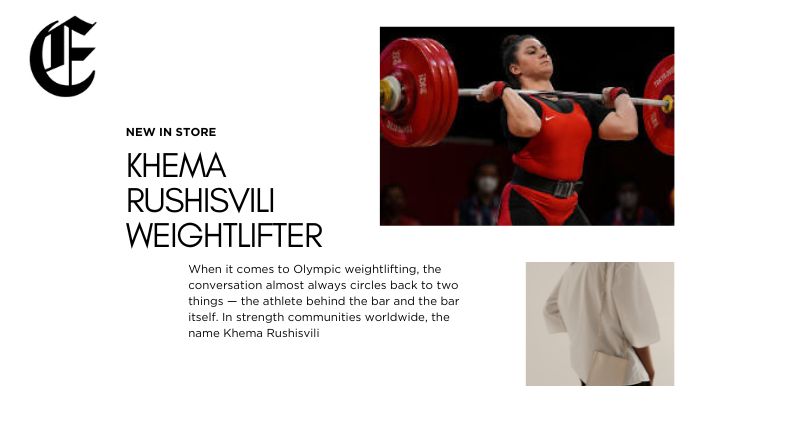
When it comes to Olympic weightlifting, the conversation almost always circles back to two things — the athlete behind the bar and the bar itself. In strength communities worldwide, the name Khema Rushisvili has become closely associated with elite-level performance, disciplined training methods, and a specialized piece of equipment that has caught the attention of serious lifters everywhere. The khema rushisvili weightlifting bar is more than just a piece of gym equipment; it is a symbol of precision engineering designed to support the most demanding movements in the sport. Whether you are a competitive lifter or an enthusiast looking for professional-grade gear, understanding this bar’s design, its athlete’s lifestyle, and the science behind it can significantly improve your approach to strength training.
Below is a personal information table outlining key details about Khema Rushisvili:
| Category | Details |
|---|---|
| Full Name | Khema Rushisvili |
| Nationality | Georgian |
| Sport | Olympic Weightlifting |
| Discipline | Snatch, Clean & Jerk |
| Training Style | Olympic lifting, strength periodization |
| Height | Approximately 5’9″ (175 cm) |
| Competitive Weight Class | 96 kg category |
| Years Active | 2010s – Present |
| Training Base | Tbilisi, Georgia |
| Signature Equipment | Khema Rushisvili Weightlifting Bar |
| Coaching Philosophy | Technique-first, progressive overload |
| Known For | Precise bar mechanics and elite grip control |
Who Is Khema Rushisvili? The Weightlifter Behind the Name
Personal Background and Sporting Identity
Khema Rushisvili is a Georgian-origin weightlifter whose dedication to the sport has shaped both a competitive career and a training philosophy that resonates with lifters around the world. Georgia has long been a powerhouse in Olympic weightlifting, producing legendary athletes who have dominated world stages for decades. Rushisvili represents the next chapter of that legacy — a lifter whose technical precision, relentless work ethic, and commitment to proper equipment have drawn significant attention from the strength and conditioning community.
Lifestyle and Daily Discipline of a Champion Weightlifter
The lifestyle of a competitive khema rushisvili weightlifter is one of structure, sacrifice, and science. Days begin early, often before sunrise, with mobility work and activation exercises designed to prepare the central nervous system for heavy training loads. Nutrition is treated as seriously as training itself — high-protein meals are spaced throughout the day to support muscle recovery and energy levels. Rushisvili’s approach to training is methodical: every session is logged, every lift analyzed, and every recovery window optimized. Sleep is non-negotiable, with athletes in this sport often prioritizing 8 to 10 hours of rest per night because the body adapts and grows stronger during recovery, not during the workout itself.
Beyond the gym, Rushisvili’s lifestyle reflects Georgian sporting culture — a deep pride in representing one’s country, a community-focused mindset, and an appreciation for the traditions that have made Georgian weightlifting one of the most respected programs in the world. Ice baths, massage therapy, and mental visualization are regular parts of the recovery routine. Social media and public appearances are intentional and purposeful, used to inspire the next generation of lifters rather than seek personal fame. This balanced, athlete-centered way of life feeds directly into the performance philosophy embedded in the equipment that bears Rushisvili’s name.
Understanding the Khema Rushisvili Weightlifting Bar
Design Philosophy and Engineering Excellence
The khema rushisvili weightlifting bar was developed with one clear goal in mind: to provide athletes with a barbell that behaves exactly the way a high-level Olympic lift demands. Unlike multipurpose gym barbells built to handle a wide range of exercises, this bar is purpose-engineered for the snatch and clean and jerk — movements that require the barbell to flex, spin, and respond to explosive force in very specific ways.
The design philosophy centers on three pillars: controlled whip, smooth sleeve rotation, and ergonomic grip. Controlled whip refers to the bar’s ability to bend slightly under load during the pull phase and then rebound during the catch. This elasticity, measured in tensile strength ratings, helps experienced athletes generate momentum through the lift. The sleeves on the bar are fitted with precision bearings that allow plates to spin independently of the shaft, dramatically reducing torque on the wrists and elbows. The knurling — the textured grip pattern on the shaft — is calibrated to provide strong contact without tearing the hands during high-repetition training sets.
Key Technical Specifications
The technical specifications of the khema rushisvili weightlifting bar are what set it apart from the competition. The bar features a standard 28mm diameter shaft, which is the universally preferred size for Olympic weightlifting due to the way it fits within the natural grip of most athletes’ hands. Its maximum weight capacity reaches 680 pounds (approximately 308 kg), making it capable of handling everything from beginner loads to elite competitive totals. The shaft is constructed from high-tensile steel that maintains structural integrity even after years of intensive use, repeated drops from overhead positions, and exposure to chalk and moisture that are unavoidable in any serious training environment.
The bar’s finish options typically include chrome or black zinc coatings, both of which offer corrosion resistance and a consistent feel across different temperature and humidity conditions. The overall length conforms to IWF (International Weightlifting Federation) standards, ensuring that athletes who train with this bar are preparing on equipment that closely mirrors what they will encounter in official competitions.
Performance Benefits for Serious Athletes
Improved Technique and Stability
One of the most meaningful advantages of training with a high-quality bar like the khema rushisvili weightlifting bar is the positive effect it has on technique development. When equipment behaves consistently and predictably, athletes can focus entirely on movement quality rather than compensating for gear that shifts, slips, or feels different from session to session. The bar’s centered weight distribution ensures that both sides of the lift load evenly, promoting symmetrical strength development and reducing the risk of compensatory movement patterns that can lead to injury over time.
Beginner and intermediate lifters often underestimate the impact of equipment quality on their learning curve. When a bar spins poorly, novices develop awkward grip habits to compensate. When knurling is too aggressive, athletes subconsciously shorten their sets to protect their hands. The khema rushisvili bar eliminates these variables, creating an environment where technique can develop naturally.
Joint Protection and Long-Term Athletic Health
One of the most important and often overlooked benefits of Olympic-specific bars is joint protection. Because the sleeves of the khema rushisvili weightlifting bar spin freely and efficiently, the bar naturally rotates during overhead movements and during the turnover phase of the clean. This means the athlete’s wrists and elbows are not forced to absorb rotational force — the bar handles the rotation on its own. Over years of training, this difference can be the deciding factor between a long, healthy career and a series of repetitive stress injuries that shorten an athlete’s competitive lifespan.
How the Khema Rushisvili Bar Compares to Standard Barbells
Standard multipurpose barbells found in most commercial gyms are built to be versatile and affordable. They can handle bench press, squats, deadlifts, and a variety of accessory movements. However, they are not designed with the dynamics of Olympic lifting in mind. Their sleeves often use simple bushings rather than needle bearings, resulting in slow or inconsistent rotation. Their whip profile may be either too stiff for explosive lifts or too loose for heavy pulls. The khema rushisvili weightlifting bar addresses every one of these gaps with intentional engineering choices, giving Olympic lifters a tool that works with their technique rather than against it.
Maintenance and Longevity
Proper care of the khema rushisvili weightlifting bar ensures it remains a reliable training partner for years. After each session, brushing chalk from the knurling with a nylon brush prevents buildup that can gradually dull the grip texture. The sleeves should be lightly oiled every few months to maintain smooth rotation, particularly if the bar is used in a humid training environment. Storing the bar horizontally on proper wall or floor mounts prevents warping over time. Avoiding dropping the bar without bumper plates protects the sleeve collars from damage. With consistent maintenance, this bar easily delivers a decade or more of elite-level performance.
6 Frequently Asked Questions About the Khema Rushisvili Weightlifting Bar
Q1: What makes the khema rushisvili weightlifting bar different from a standard powerlifting bar? The khema rushisvili bar is designed specifically for Olympic lifts like the snatch and clean and jerk. It features faster sleeve rotation via precision bearings, a 28mm shaft diameter optimized for hook grip, and controlled whip suited to explosive movements — features that powerlifting bars are not built to provide.
Q2: What is the maximum weight capacity of this bar? The khema rushisvili weightlifting bar supports a maximum load of 680 pounds (approximately 308 kg), making it suitable for athletes at every level from recreational lifters to elite competitors pushing near-world-record totals.
Q3: Is this bar suitable for beginners learning Olympic lifts? Absolutely. In fact, learning on a properly engineered bar like the khema rushisvili is recommended because consistent equipment behavior allows beginners to develop accurate movement patterns without compensating for poor equipment quality.
Q4: How often should the sleeves be lubricated? A light application of 3-in-1 oil or a dedicated barbell oil every two to three months is generally sufficient. If the bar is used in a humid environment or if the sleeves begin to feel stiff, lubricate more frequently.
Q5: Does the knurling on this bar work for both snatch grip and clean grip widths? Yes. The knurling is strategically positioned to accommodate both the wide snatch grip and the narrower clean grip, with clearly defined rings that help athletes consistently find their preferred hand placement.
Q6: Can the khema rushisvili weightlifting bar be used for other strength exercises like deadlifts or squats? While the bar is optimized for Olympic lifting, its high tensile steel construction and 680-pound capacity make it capable of handling heavy deadlifts and squats. However, for regular powerlifting-specific training, a bar designed for those movements will offer a better fit.
Final Thoughts
The khema rushisvili weightlifting bar stands as a testament to what happens when athletic expertise meets thoughtful equipment design. Whether you are drawn to it because of the weightlifter’s reputation, the bar’s technical specifications, or simply the search for gear that genuinely improves your training, the conclusion is the same: quality equipment is not a luxury for serious athletes — it is a necessity. From its precision sleeve rotation to its ergonomic knurling and high-grade steel construction, this bar delivers everything an Olympic lifter needs to train consistently, safely, and effectively. Investing in the right bar is, in many ways, an investment in your own progress.