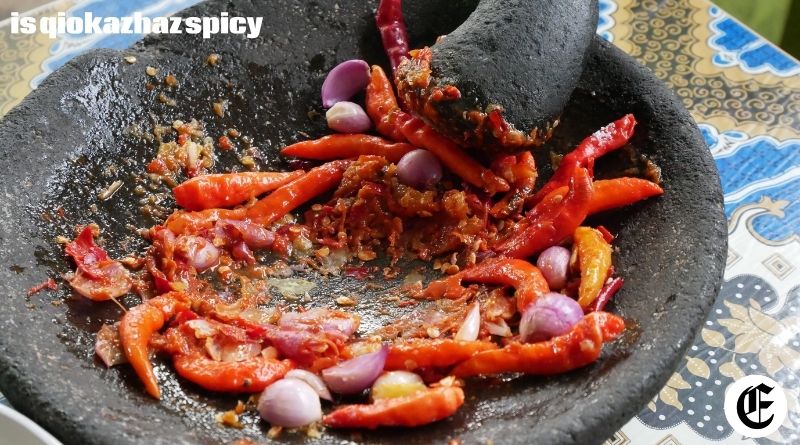
If you have ever stumbled across qiokazhaz on a restaurant menu or heard it mentioned in conversations about Central Asian cuisine, your first question was probably the same as everyone else’s: is qiokazhaz spicy? It’s a fair thing to wonder. Dishes rooted in the Silk Road trading traditions have a well-earned reputation for bold, layered spicing, and qiokazhaz is no exception. But the full answer is more nuanced than a simple yes or no, because the heat in this dish depends heavily on how it’s prepared, where it comes from, and what regional spin the cook has decided to put on it.
What Exactly Is Qiokazhaz?
Before diving into its heat level, it helps to understand what qiokazhaz actually is. Pronounced “qio-kaz-haz” in local dialects, this dish traces its origins to the ancient Silk Road routes that connected Central Asia with South Asia, the Middle East, and beyond. It is a slow-cooked stew built around lamb or goat as the primary protein, with the meat typically marinated in yogurt, garlic, and chili paste for up to 24 hours before cooking even begins. This marinade does two things simultaneously: it tenderizes the tough cuts of meat that nomadic cooks had access to, and it drives the heat and aromatics deep into the muscle fibers long before the pot ever hits the fire.
Root vegetables like carrots, turnips, and potatoes join the lamb during the braise, slowly absorbing the surrounding spices until they become sweet, earthy counterpoints to the heat. The spice blend that defines authentic qiokazhaz traditionally includes dried red chilies, cumin seeds, coriander, and black pepper, each bringing something different to the table. The cumin anchors everything with a deep, earthy warmth. The coriander adds a faint citrus brightness. The black pepper contributes a sharp, immediate bite. And the dried red chilies provide the sustained heat that lingers after each spoonful.
The Silk Road Roots of the Recipe
The dish has real historical depth. By the 13th century, Mongol trade routes had made dried chilies accessible across the Central Asian steppe. Kazakh herders adapted these chilies into their existing mutton stews, and over the following centuries, Ottoman and Uzbek influences layered in ingredients like sumac and fenugreek, adding tangy, slightly bitter notes that balanced the fire. The result was something that couldn’t simply be called hot — it was complex, savory, warming, and deeply satisfying in the way that only a slow-cooked, cold-weather dish can be.
The Actual Heat Level of Qiokazhaz
So, is qiokazhaz spicy in a measurable sense? By Scoville standards, authentic preparations clock in somewhere between 5,000 and 50,000 Scoville Heat Units (SHU), which puts it in a range roughly comparable to a serrano pepper on the lower end and a cayenne pepper on the higher end. The wide range exists because no single universal recipe governs the dish. A household in a region with milder tastes might keep things around 5,000 SHU, while a version made for spice enthusiasts could push well beyond 15,000 SHU, especially if the cook opts to add Scotch bonnet peppers for tropical fire or Sichuan peppercorns for the electric, numbing sensation associated with Chinese cuisine.
The most commonly referenced baseline ingredient — roughly 50 grams of dried red chilies per pot — naturally sits around the 8,000 SHU mark on its own. Balanced against the fat from the lamb, the sweetness from the root vegetables, and the yogurt-based marinade that mellows the raw heat, the finished dish usually lands in the moderate range. It has a noticeable, building warmth rather than an aggressive upfront punch. Most people who eat spicy food regularly would describe it as pleasantly hot rather than overwhelming.
How Regional Variations Change Everything
Part of what makes answering “is qiokazhaz spicy” so interesting is that the dish is genuinely different depending on where you eat it. In regions with strong ties to Uzbek cuisine, you’ll often find preparations that lean toward warming spices like cinnamon and cardamom, which soften the chili heat and give the stew a more aromatic, almost sweet quality. Versions influenced by Mongolian cooking traditions tend to be more straightforward in their heat, relying on dried chilies without many competing sweet or acidic notes to temper them.
In more urban settings, especially in areas where the dish has been adapted for international diners, chefs sometimes dial the heat back significantly to make it approachable for people who aren’t used to Central Asian spicing. In these cases, qiokazhaz might be only gently spiced, with the warmth coming more from cumin and black pepper than from chili heat. On the other end of the spectrum, adventurous home cooks have been known to push the recipe into genuinely fiery territory by swapping standard dried red chilies for Scotch bonnets or adding Sichuan buttons — an ingredient that creates a unique electric tingling sensation on the tongue that’s entirely different from the burning heat of conventional chilies.
Flavor Beyond the Heat
Focusing only on spiciness does a disservice to qiokazhaz, because even in its hottest versions, the heat is never the only thing happening. The slow-cooking process melds all the components into something cohesive and layered. The lamb renders down until it’s falling-off-the-bone tender, and the rendered fat carries the fat-soluble compounds from the spices throughout the broth, giving every spoonful a richness that a quick-cooked dish simply can’t achieve. The vegetables soften into something almost silky, acting as a brake against the chili heat in the same way that starchy foods always temper spice.
There’s also a faint fruity undertone that surprises many first-time eaters. This comes from the smoked paprika and Aleppo pepper variants used in some authentic recipes. Aleppo pepper in particular has a distinctly fruity, raisin-like quality that makes the heat feel rounder and more complex compared to the clean, sharp burn of something like a fresh jalapeño. The smokiness from paprika ties the whole flavor profile together, giving the finished dish a depth that keeps you going back for another bite even as the heat builds.
Is Qiokazhaz Right for Spice-Sensitive Eaters?
If you’re someone who typically avoids anything hotter than mild salsa, the question of is qiokazhaz spicy becomes genuinely important before you sit down to eat. The honest answer is that most traditional preparations will be noticeable to a spice-sensitive palate. The heat doesn’t announce itself all at once, but it builds steadily through the meal, and by the end of a full bowl, your lips and tongue will definitely know they’ve been somewhere. That said, the dish is far from the upper reaches of the Scoville scale, and the fat, yogurt, and starchy vegetables in the recipe do a lot of work to keep the heat at a tolerable level.
If you’re preparing it at home, you have complete control. Using less dried chili and skipping any optional high-heat additions like Scotch bonnets will bring the dish down to a genuinely mild level while preserving all the complex, savory flavor that makes qiokazhaz worth cooking in the first place. Swapping the dried red chilies for smoked paprika entirely will give you warmth and color without any meaningful burn.
Tips for Getting the Most Out of Qiokazhaz
Whether you want to embrace the heat or tame it, a few practical points are worth keeping in mind. The 24-hour marinade is not optional if you want authentic results — it’s what distinguishes a truly memorable version from one that just tastes like an ordinary lamb stew. Don’t rush the braise. Low and slow is the whole philosophy behind this dish, and the connective tissue in the lamb needs time to break down properly. Serve it with flatbread or rice, both of which help absorb the spiced broth and give your palate a break between bites.
If you encounter qiokazhaz at a restaurant and you’re unsure about the heat level, simply ask. Kitchens that make this dish regularly are usually happy to tell you how their version is seasoned and whether they can adjust it. The dish is meant to be enjoyed, and no authentic tradition of hospitality — Central Asian cooking included — wants to chase diners away from the table.
The Verdict
So, is qiokazhaz spicy? Yes, in its traditional form, it carries a real and building heat that sits comfortably in the moderate range of the Scoville scale. But it is spicy the way a well-made chili is spicy — purposefully, with depth and balance, never just for the sake of heat alone. The fire is part of a larger conversation happening in the bowl, one that includes earthy spices, slow-cooked meat, sweet vegetables, and centuries of culinary history. Whether you’re a dedicated spice lover or someone who typically plays it safe, qiokazhaz has enough nuance and adaptability to earn a place at your table.